


















Introduction to Retrofitting for Hazardous Area Safety
As the world continues to evolve, the need for safety in industrial environments has become paramount. One company at the forefront of this safety revolution is the Intrinsically Safe Store. We specialize in providing intrinsically safe and explosion-proof devices. This article will delve into the importance of retrofitting existing facilities with these enclosures and how it can significantly enhance safety and efficiency. So, let’s dive in and explore this crucial topic.
Upgrading existing infrastructure is not merely a suggestion but a critical step toward ensuring compliance with modern safety standards like those set by OSHA and NFPA. Retrofitting allows businesses to leverage their current assets while integrating advanced safety measures, protecting personnel, and preventing catastrophic accidents without the prohibitive cost of building from the ground up.
Understanding Class 1 Division 2 Enclosures
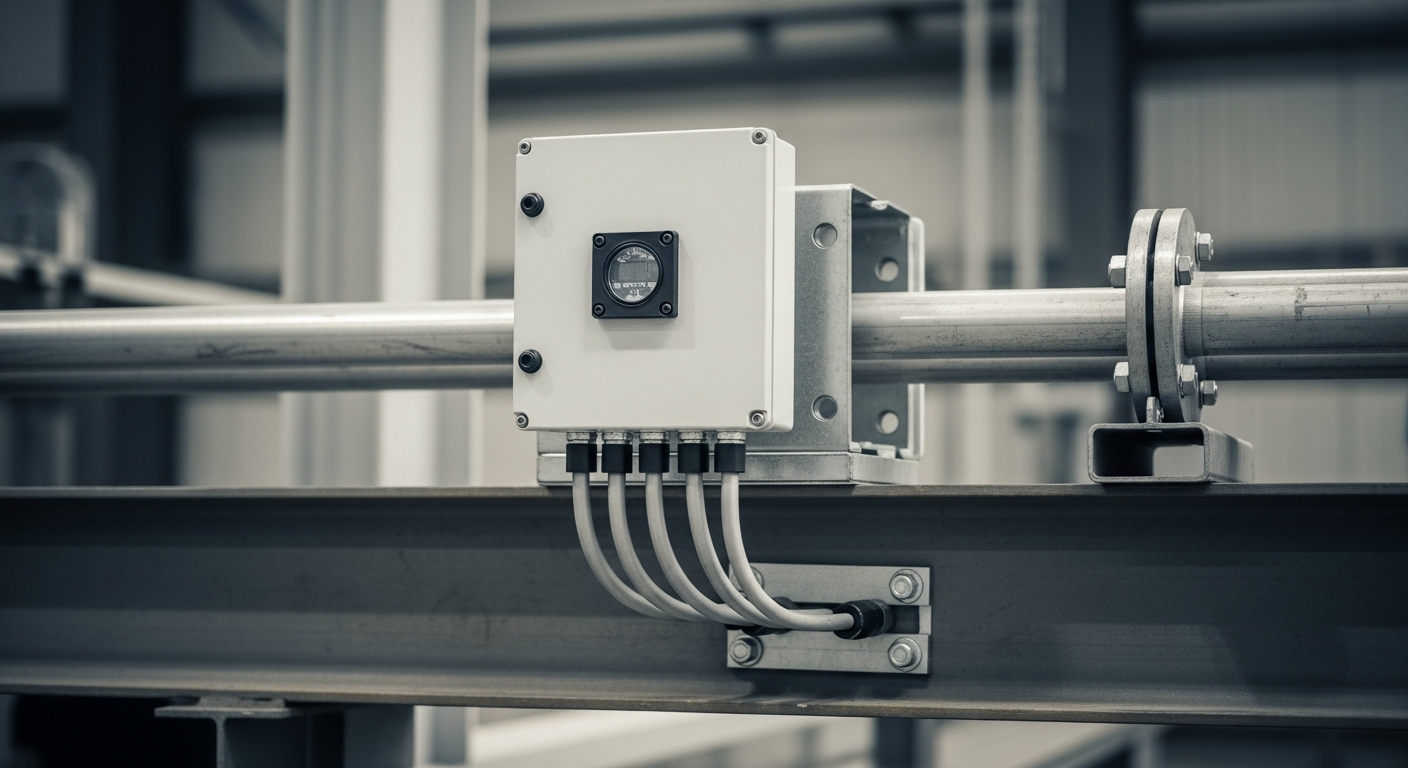
Before we delve into retrofitting, it’s essential to understand what Class 1 Division 2 enclosures are. Specialists design these enclosures specifically to house electrical equipment safely in hazardous locations. They build them to prevent the ignition of flammable gases or vapors potentially present in the surrounding atmosphere.
The Need for Retrofitting
Retrofitting refers to the addition of new technology or features to older systems. In the context of industrial safety, retrofitting existing facilities with Class 1 Division 2 enclosures can significantly enhance safety and efficiency. This is particularly crucial in industries such as oil and gas, chemical manufacturing, and pharmaceuticals, where the risk of explosions is high.
Benefits of Retrofitting with Class 1 Division 2 Enclosures
Retrofitting existing facilities with Class 1 Division 2 enclosures offers numerous benefits:
-
Enhanced Safety: These enclosures are designed to prevent the ignition of flammable gases or vapors, thereby reducing the risk of explosions.
-
Increased Efficiency: By housing electrical equipment in these enclosures, companies can ensure their equipment operates efficiently, even in hazardous environments.
-
Cost Savings: While the initial investment may be significant, the long-term savings in terms of reduced downtime and maintenance costs can be substantial.
Key Features of Class 1 Division 2 Enclosures
The benefits of these enclosures stem from their specific design features, engineered for maximum safety and durability in hazardous environments. Key characteristics include:
-
Durable Construction: Built from robust materials like stainless steel, aluminum, or reinforced polycarbonate to withstand harsh industrial conditions and potential impacts.
-
Secure Sealing: Equipped with high-integrity gaskets and secure locking mechanisms to prevent flammable gases or vapors from entering the enclosure and reaching potential ignition sources.
-
Non-Incendive Design: Engineered to ensure that any internal arcing or sparking from components during normal operation does not have enough energy to ignite the hazardous atmosphere outside the enclosure.
-
Compliance and Certification: Rigorously tested and certified by recognized bodies like UL, CSA, or ATEX to meet strict safety standards for use in designated hazardous locations.
Case Study: Retrofitting Success
A prime example of successful retrofitting is a leading oil and gas company that decided to retrofit its existing facilities with Class 1 Division 2 enclosures. The company reported a significant reduction in equipment failures and downtime, leading to increased productivity and cost savings.
Choosing the Right Enclosure
When it comes to retrofitting, choosing the right enclosure is crucial. Factors to consider include the type of hazardous materials present, the operating conditions, and the specific requirements of the electrical equipment.
Frequently Asked Questions
What is the main difference between Class 1 Division 1 and Division 2?
The primary difference lies in the likelihood of hazardous concentrations of flammable substances being present. Division 1 locations are areas where these concentrations exist continuously or intermittently under normal operating conditions. Division 2 locations are areas where such concentrations are only present during abnormal conditions, such as a container leak or system failure.
Can any electrical equipment be placed inside a Class 1 Div 2 enclosure?
No. The enclosure is just one part of the safety system. The equipment installed inside must also be suitable for the location and not generate heat or energy that could compromise the enclosure or become an ignition source. Always ensure the entire assembly (enclosure and its contents) is certified for the specific hazardous environment.
Is retrofitting more cost-effective than building a new facility?
In most cases, yes. Retrofitting allows a company to upgrade its safety and operational standards by leveraging existing infrastructure. This avoids the significant capital expenditure, extended downtime, and complex regulatory processes associated with new construction, making it a highly practical and financially sound strategy.
Retrofitting existing facilities with Class 1 Division 2 enclosures is a strategic move that can significantly enhance safety and efficiency. While the initial investment may be substantial, the long-term benefits in terms of reduced downtime, increased productivity, and cost savings make it a worthwhile investment. The Intrinsically Safe Store is your go-to resource for these enclosures, offering a wide range of options to suit various needs.
Ready to enhance the safety and efficiency of your facilities? Explore our certified Class 1 Division 2 enclosures or talk to a hazardous-area specialist about your retrofitting project today.