




















As we navigate the complexities of the 21st century, the need for advanced safety measures in hazardous areas is becoming increasingly apparent. These environments, found in industries from oil and gas to pharmaceuticals and manufacturing, require stringent electrical standards to prevent catastrophic incidents. This is where Intrinsically Safe Store comes into play, offering a wide range of certified products and solutions. In this article, we delve into the current landscape of hazardous area electrical requirements and explore how future technologies will revolutionize safety standards, ensuring greater protection for personnel and assets.
Understanding Hazardous Area Electrical Requirements
Hazardous area electrical requirements are regulations and standards designed to ensure safety in environments where fire or explosion hazards may exist due to flammable gases, vapors, or dust. These requirements are crucial in industries such as oil and gas, mining, chemical, and pharmaceuticals. Global standards like ATEX (for Europe) and IECEx (international), alongside regional standards like NEC Classes and Divisions in North America, form the backbone of equipment certification and installation protocols.
The Evolution of Hazardous Area Electrical Requirements
Over the years, hazardous area electrical requirements have evolved significantly. From basic safety measures, we have moved towards more sophisticated systems that not only detect potential hazards but also prevent them. Technological advancements and a better understanding of the risks associated with hazardous environments have driven this evolution.
The Role of Intrinsically Safe Store
Intrinsically Safe Store is at the forefront of this evolution, offering a wide range of intrinsically safe products that meet the stringent requirements of hazardous areas. From intrinsically safe smartphones and tablets to gas detectors and lighting solutions, Intrinsically Safe Store provides the tools necessary to ensure safety in hazardous environments.
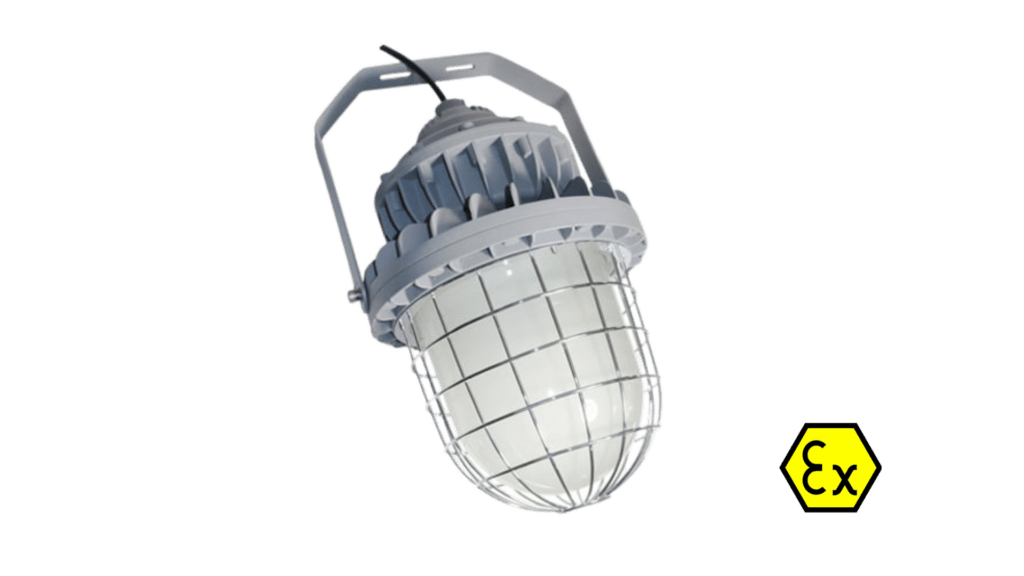
Key Features & Benefits of Modern Intrinsically Safe Technology
Modern intrinsically safe devices offer more than just basic protection. They incorporate advanced features that deliver significant operational benefits while maintaining the highest safety standards.
- Low-Energy Design: The core principle of intrinsic safety is limiting electrical and thermal energy to prevent sparks or hot surfaces. This inherently safe design is the primary feature protecting against ignition in volatile atmospheres.
- Enhanced Connectivity: Many modern devices, including tablets and sensors, are equipped with Wi-Fi, Bluetooth, and cellular capabilities. This allows for real-time data transfer, remote monitoring, and instant communication, improving operational efficiency and response times.
- Durability and Ruggedization: Certified equipment is built to withstand harsh industrial conditions, often featuring IP ratings for dust and water resistance, as well as robust casings that resist drops and vibrations.
- Improved Diagnostics: Advanced systems include self-diagnostic capabilities that monitor equipment health and alert technicians to potential failures, enabling predictive maintenance and reducing unexpected downtime.
The Future of Hazardous Area Electrical Requirements and Technologies
The future of hazardous area electrical requirements and technologies is promising, with several trends shaping the landscape.
- Increased Automation: Automation is set to play a crucial role in hazardous area safety. Automated systems can monitor conditions in real-time, providing early warning of potential hazards and reducing the risk of accidents.
- Internet of Things (IoT): IoT technology can connect devices and systems in hazardous areas, providing a wealth of data that can be used to improve safety. For example, IoT-enabled gas detectors can provide real-time information on gas levels, allowing for immediate action if levels become dangerous.
- Advanced Materials: The development of advanced materials, such as explosion-proof enclosures, will enhance safety in hazardous areas. These materials can withstand extreme conditions, preventing the ignition of flammable substances.
Frequently Asked Questions
What is the main principle behind intrinsic safety?
The core principle is energy limitation. Intrinsically safe systems are designed to ensure that the electrical and thermal energy within a circuit is always too low to ignite a specific hazardous atmospheric mixture of flammable gas, vapor, or dust. This is achieved through components like zener barriers or galvanic isolators.
Are ATEX and Class/Division systems interchangeable?
No, they are fundamentally different classification and certification systems. ATEX is the standard for the European Union and uses a ‘Zone’ based system (e.g., Zone 0, 1, 2). The Class/Division system is used in North America. Equipment must be certified for the specific jurisdiction where it will be operated to ensure compliance.
How does IoT improve safety in hazardous areas?
IoT enhances safety by enabling real-time, continuous monitoring of assets, personnel, and environmental conditions. Connected sensors can detect gas leaks, monitor equipment temperature, and track worker location instantly. This data allows for predictive maintenance, immediate hazard alerts, and automated safety responses, preventing incidents before they can escalate.
Conclusion
The future of hazardous area electrical requirements and technologies is exciting, with advancements set to revolutionize safety standards. As we move towards a more connected and automated world, the role of companies like Intrinsically Safe Store will become increasingly important in ensuring safety in hazardous environments. Explore our full catalog of certified equipment to find the right solution for your operational needs. To discuss your specific hazardous area requirements, talk to a hazardous-area specialist today.