

























Introduction
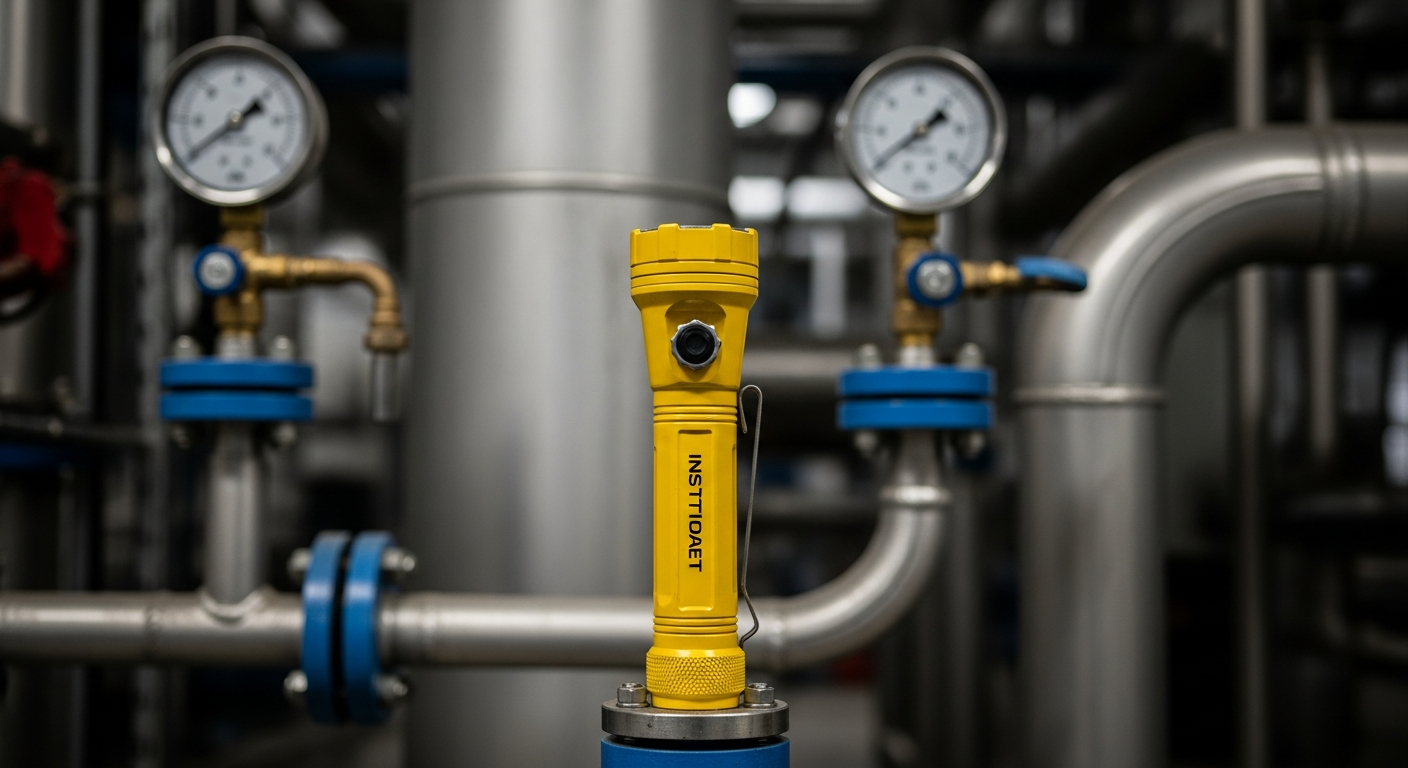
When it comes to safety in hazardous environments, intrinsically safe flashlights are an essential tool. These specialized flashlights are designed to operate safely in potentially explosive atmospheres, making them a crucial part of many industries’ safety protocols. As a leading provider of intrinsically safe products, Intrinsically Safe Store understands the importance of maintaining these devices to ensure their longevity and reliability. In this article, we will explore the best practices for maintaining intrinsically safe flashlights.
Understanding Intrinsically Safe Flashlights
Intrinsically safe flashlights are designed to prevent ignition in hazardous environments where flammable gases, vapors, or dust may be present. They achieve this by limiting the electrical and thermal energy to levels below what is required to ignite these substances. However, like any other tool, they require proper care and maintenance to function optimally.
Key Features & Benefits
Beyond their core safety function, intrinsically safe flashlights possess several features that make them indispensable in demanding industries. Understanding these features and benefits helps in selecting the right tool for your specific operational needs.
Key Features
- Hazardous Area Certifications: The most critical feature is the certification mark (e.g., ATEX, IECEx, Class I Division 1). This proves the device has been tested and approved for use in specific explosive atmospheres. Always match the flashlight’s rating to your work environment’s zone or division classification.
- Robust, Anti-Static Construction: These flashlights are built with durable, impact-resistant materials that can withstand drops and harsh conditions. The casing is often made of anti-static polymers to prevent the buildup of a static charge that could become an ignition source.
- Sealed Enclosures: They feature high IP (Ingress Protection) ratings, ensuring they are sealed against the ingress of dust and water, which could otherwise compromise the internal electronics and safety.
- High-Efficiency LED Technology: Modern intrinsically safe flashlights use powerful and efficient LEDs, which provide bright, reliable illumination while producing minimal heat and consuming less power, extending battery life.
Core Benefits
- Enhanced Worker Safety: The primary benefit is the prevention of explosions, directly protecting personnel in hazardous locations.
- Regulatory Compliance: Using certified equipment ensures compliance with national and international safety standards (like OSHA and DSEAR), preventing fines and legal issues.
- Operational Reliability: Designed for the toughest environments, these flashlights are more durable and reliable than standard consumer models, reducing downtime and replacement costs.
Regular Inspection
One of the most important steps in maintaining intrinsically safe flashlights is regular inspection. This involves checking the flashlight for any visible signs of damage, such as cracks or corrosion, which could compromise its safety features. Additionally, the flashlight’s functionality should be tested regularly to ensure it is working correctly.
Battery Care
The battery is a critical component of any flashlight. For intrinsically safe flashlights, it’s essential to use only the manufacturer-recommended batteries. Using other types of batteries can potentially compromise the flashlight’s safety features and will void its certification. Additionally, batteries should be replaced regularly and only in a designated safe area, never within the hazardous zone.
Cleaning and Storage
Proper cleaning and storage are also crucial for maintaining IS flashlights. After use, the flashlight should be cleaned with a soft, damp cloth to remove any dust or debris. Avoid using harsh chemical solvents. When not in use, the flashlight should be stored in a dry, cool place to prevent damage from moisture or heat.
Professional Servicing
While regular inspection and care can help maintain the flashlight’s performance, professional servicing is also recommended. This ensures that any potential issues are identified and addressed before they can cause a problem. Professional servicing should be done at least once a year, or more frequently depending on the flashlight’s usage.
Frequently Asked Questions (FAQs)
What makes a flashlight “intrinsically safe”?
A flashlight is intrinsically safe because its entire electrical circuit is designed to be low-energy. This means it is incapable of producing a spark or generating enough heat to ignite flammable gas, dust, or vapor in a hazardous atmosphere. Its design is certified to meet strict safety standards like ATEX or IECEx.
Can I use regular batteries in an intrinsically safe flashlight?
No, absolutely not. You must only use the specific battery types and brands listed by the flashlight manufacturer. Using unapproved batteries can supply too much energy, creating an explosion risk and instantly voiding the device’s safety certification.
How often should I inspect my intrinsically safe flashlight?
A quick visual inspection for cracks or damage should be performed before every use. A more thorough inspection of the seals, contacts, and overall integrity should be conducted monthly or according to your company’s internal safety policy.
What happens if I drop my intrinsically safe flashlight?
If an intrinsically safe flashlight is dropped, it must be removed from service immediately and thoroughly inspected in a safe area. Look for any cracks in the lens or body, damage to the seals, or any other signs of compromise. If damage is found, the unit should not be used in a hazardous area until it is professionally repaired or replaced.
Maintaining intrinsically safe flashlights is crucial for ensuring their longevity and reliability. By following these best practices, you can help ensure that your flashlight continues to provide reliable illumination in potentially hazardous environments. Remember, safety should always be a priority, and maintaining your safety equipment is a key part of that. For more information on intrinsically safe products, browse our full catalog at the Intrinsically Safe Store or talk to a hazardous area specialist to find the right certified flashlight for your needs.