























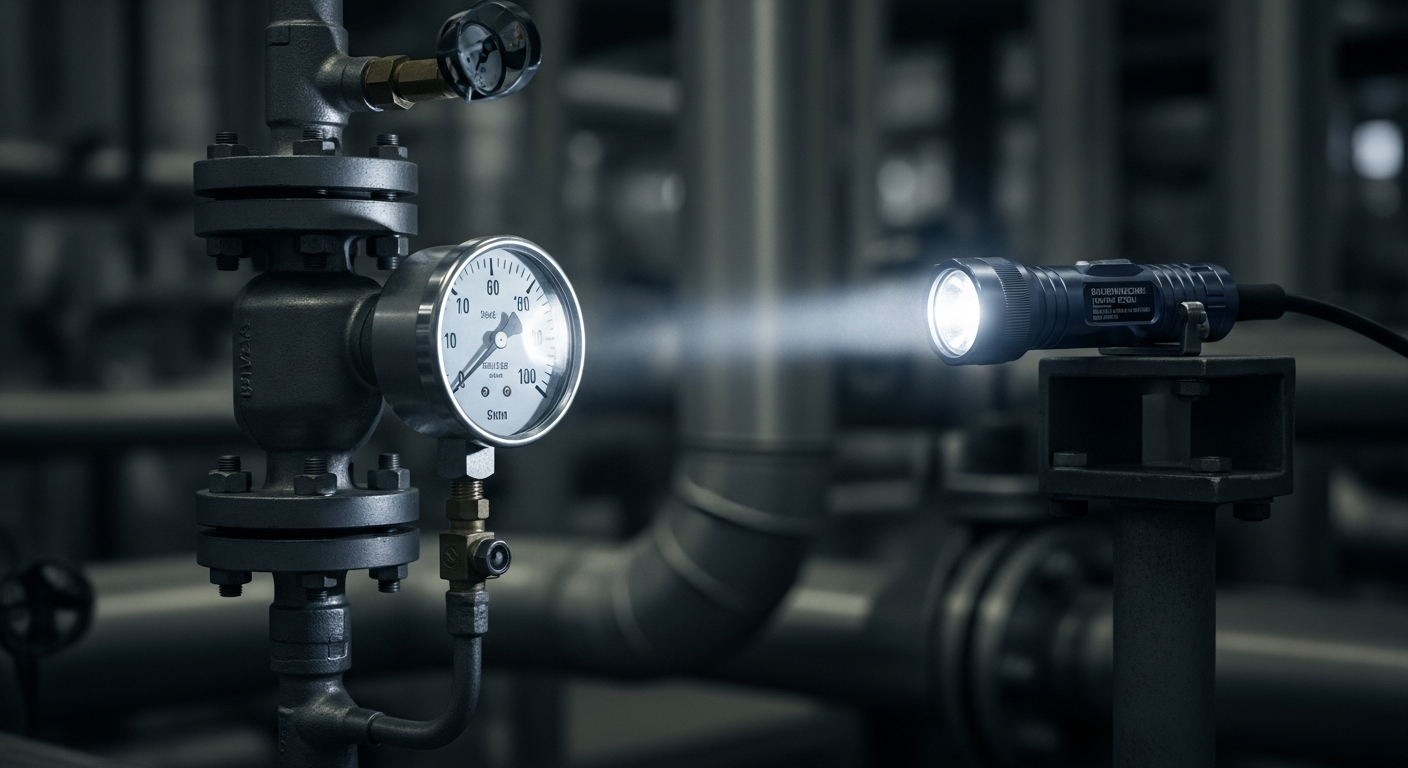
In hazardous environments where flammable gases, vapors, or dust are present, a standard flashlight is a dangerous ignition source. That’s why intrinsically safe lighting is not just an option—it’s a critical safety requirement. These specialized devices are meticulously engineered to prevent sparks and operate at low temperatures, ensuring they cannot ignite the surrounding atmosphere. As technology evolves, so do the capabilities of intrinsically safe flashlights, offering enhanced performance, durability, and features for workers in industries like oil and gas, mining, and chemical processing. The Intrinsically Safe Store is a leading provider of certified and reliable intrinsically safe products. This article explores the latest innovations that are making these essential tools safer and more effective than ever.
Key Features & Benefits of Modern Intrinsically Safe Flashlights
While the core purpose of an intrinsically safe flashlight is to prevent explosions, modern designs offer a host of features that improve usability and long-term value. Understanding these benefits helps in selecting the right tool for your specific hazardous location needs.
Core Safety and Certification
The primary feature is, of course, its intrinsic safety certification. This means the flashlight is certified under standards like ATEX, IECEx, or North American Class/Division ratings. The design limits electrical and thermal energy to a level below what is required to ignite a specific hazardous atmospheric mixture. This is achieved through:
- Low-power circuitry that prevents sparks.
- Sealed enclosures that protect internal components from the external environment.
- Construction from anti-static materials to prevent static discharge.
- Thermal management to ensure surface temperatures remain low.
Enhanced Durability and Ergonomics
Modern intrinsically safe flashlights are built to withstand the harshest industrial conditions. Key benefits include:
- High Impact Resistance: Housings are often made from durable polymers that can survive drops and impacts common on job sites.
- IP Ratings: High Ingress Protection (IP) ratings, such as IP67, ensure the device is dust-tight and waterproof, protecting it from dirt, grime, and moisture.
- Ergonomic Design: Features like non-slip grips, easy-to-use switches (even with gloves on), and lightweight construction reduce user fatigue during long shifts.
Advancements in LED Technology
One of the most significant advancements in intrinsically safe flashlight technology is the use of Light Emitting Diodes (LEDs). LEDs offer several advantages over traditional incandescent bulbs:
- They are more energy-efficient, which means longer battery life.
- They are more durable and less likely to break.
- They provide brighter, more focused light.
Many intrinsically safe flashlights now use LEDs, making them more reliable and efficient than ever before.
Improved Battery Technology
Another significant innovation is the improvement in battery technology. Many intrinsically safe flashlights now use rechargeable lithium-ion batteries. These batteries offer several advantages:
- They have a higher energy density, which means they can store more energy in a smaller space.
- They have a lower self-discharge rate, which means they retain their charge for longer periods.
- They have a longer lifespan, which means they need to be replaced less frequently.
This advancement in battery technology has made intrinsically safe flashlights more convenient and cost-effective to use.
Smart Features
The latest intrinsically safe flashlights also come with a range of smart features. These include:
- Adjustable brightness settings, allowing users to customize the intensity of the light to suit their needs.
- Emergency signal modes, which can be used to attract attention in case of an emergency.
- Power indicators, which show the remaining battery life.
These smart features make intrinsically safe flashlights more versatile and user-friendly.
Frequently Asked Questions
What makes a flashlight “intrinsically safe”?
A flashlight is deemed “intrinsically safe” when its entire electrical and thermal design ensures it cannot generate a spark or heat capable of igniting flammable materials in a hazardous environment. It must undergo rigorous testing and certification by an accredited body (like ATEX or UL) to earn this classification.
Can I use a regular “heavy-duty” or “tactical” flashlight in a hazardous area?
No. A regular flashlight, no matter how durable, is not designed to limit electrical and thermal energy. A simple switch operation, a dropped battery, or a damaged bulb could create a spark and cause a catastrophic explosion. Only use equipment specifically certified for the hazardous zone you are working in.
Do I need to use specific batteries for an intrinsically safe flashlight?
Yes, absolutely. You must only use the battery types and brands specified by the flashlight manufacturer in the user manual. Using unapproved batteries will void the intrinsic safety certification and can introduce a significant safety risk, as different batteries have different energy discharge characteristics.
In conclusion, the latest innovations in intrinsically safe flashlight technology have made these devices more efficient, reliable, and user-friendly. Advancements in LED technology, improvements in battery technology, and the addition of smart features have all contributed to this progress. The Intrinsically Safe Store is at the forefront of these innovations, offering a wide range of certified flashlights and other products. We encourage you to explore our catalog to find the right lighting solution for your needs. If you have any questions or require a quote, please feel free to talk to a hazardous-area specialist.