





















Cameras
Showing 49–52 of 52 resultsSorted by popularity
-
%27%20fill-opacity%3D%27.5%27%3E%3Cellipse%20fill%3D%22%23a0a0a0%22%20fill-opacity%3D%22.5%22%20rx%3D%221%22%20ry%3D%221%22%20transform%3D%22matrix(68.86912%20-80.92095%2036.10475%2030.72755%20221.9%20103.8)%22%2F%3E%3Cellipse%20fill%3D%22%23fff%22%20fill-opacity%3D%22.5%22%20rx%3D%221%22%20ry%3D%221%22%20transform%3D%22rotate(87.7%2051.2%20230.6)%20scale(81.85743%2040.8446)%22%2F%3E%3Cellipse%20fill%3D%22%23fff%22%20fill-opacity%3D%22.5%22%20rx%3D%221%22%20ry%3D%221%22%20transform%3D%22matrix(-6.78573%20173.66237%20-37.0453%20-1.44752%207%2056.6)%22%2F%3E%3Cellipse%20fill%3D%22%23a4a4a4%22%20fill-opacity%3D%22.5%22%20rx%3D%221%22%20ry%3D%221%22%20transform%3D%22matrix(1.5421%20-57.92305%2039.77905%201.05905%2075.5%20159)%22%2F%3E%3C%2Fg%3E%3C%2Fsvg%3E)
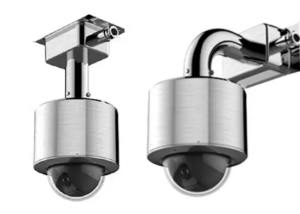
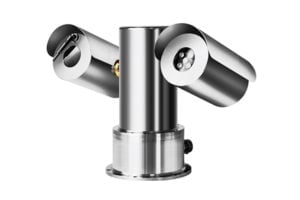
Kaixuan Explosion Proof Speed Dome Camera
$3,02400Import tariffs charged -

IVC APTZ-3045-09 Explosion-Proof Camera
$16,80000 -
%27%20fill-opacity%3D%27.5%27%3E%3Cpath%20fill%3D%22%238b8b8b%22%20fill-opacity%3D%22.5%22%20d%3D%22M156.4%20178.7l96.1-138.3L42.8%2021.7z%22%2F%3E%3Cellipse%20fill%3D%22%23fff%22%20fill-opacity%3D%22.5%22%20rx%3D%221%22%20ry%3D%221%22%20transform%3D%22matrix(53.18166%20-22.46481%20106.0903%20251.1509%2022.3%20133.9)%22%2F%3E%3Cellipse%20fill%3D%22%23fff%22%20fill-opacity%3D%22.5%22%20rx%3D%221%22%20ry%3D%221%22%20transform%3D%22matrix(47.3333%208.34614%20-51.89096%20294.28824%20268.4%20120.8)%22%2F%3E%3Cellipse%20fill%3D%22%23959595%22%20fill-opacity%3D%22.5%22%20rx%3D%221%22%20ry%3D%221%22%20transform%3D%22rotate(-171.2%2081.8%2030.6)%20scale(39.02977%2058.39179)%22%2F%3E%3C%2Fg%3E%3C%2Fsvg%3E)
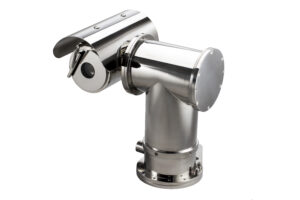
Kaixuan KX-EX1000ZPPS Explosion Proof CCTV Camera
$3,40200Price Depends on product option Make a selection to update priceImport tariffs charged -

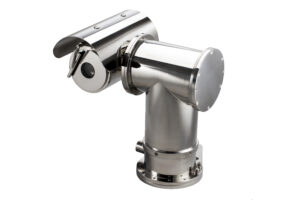
IVC APTZ-3045-04 Explosion-Proof PTZ Camera
$14,60000
Capture Critical Visual Data in Hazardous Environments with Certified Intrinsically Safe Cameras
In environments where flammable gases, vapors, dusts, or fibers create a constant risk of explosion, standard electronic equipment is a significant liability. Intrinsically safe cameras are engineered from the ground up to operate safely in these volatile conditions. Unlike ruggedized or explosion-proof devices, intrinsically safe cameras are designed with circuitry that limits electrical and thermal energy to levels below what is required to ignite a specific hazardous atmospheric mixture. This fundamental design principle ensures that the camera cannot become an ignition source, even in fault conditions, providing the highest level of safety for personnel and infrastructure.
Our curated selection of ATEX, IECEx, and North American certified cameras provides a reliable solution for asset inspection, maintenance documentation, remote collaboration, and incident investigation in hazardous locations. These devices empower your teams to capture high-quality images and video without the need for hot work permits, improving operational efficiency and safety compliance simultaneously.
Understanding Hazardous Area Certifications for Cameras
Navigating the complex landscape of hazardous area regulations is critical for ensuring compliance and safety. The cameras in our catalog carry globally recognized certifications, confirming their suitability for use in specific explosive atmospheres.
- ATEX Certification: Mandated for all equipment used in potentially explosive atmospheres within the European Union. ATEX directives classify zones based on the frequency and duration of an explosive atmosphere’s presence (e.g., Zone 0, 1, 2 for gas/vapor; Zone 20, 21, 22 for dust).
- IECEx Certification: A globally recognized scheme that provides an internationally accepted means of proving compliance with IEC standards. An IECEx Certificate of Conformity facilitates international trade of equipment for use in hazardous areas, often serving as the basis for national certifications like ATEX.
- North American Class/Division System: Used in the United States and Canada, this system classifies hazardous locations by the type of substance present (Class I for gas/vapor, Class II for dust, Class III for fibers) and the likelihood of its presence under normal operating conditions (Division 1 for continuous presence, Division 2 for presence during abnormal conditions).
Each product page clearly lists its specific certifications, allowing you to select a camera that precisely matches the requirements of your classified work zones.
Essential Features and Applications
Beyond their core safety certifications, these cameras are equipped with features designed for demanding industrial use. High-resolution sensors provide crystal-clear images and HD video for detailed inspections, while robust, IP-rated enclosures protect against dust and water ingress. Many models include powerful LED flashes, long-life batteries, and ergonomic designs for easy operation while wearing protective gloves. Advanced models may feature thermal imaging capabilities, powerful optical zoom, and wireless connectivity for immediate data transfer.
These specialized cameras are indispensable tools in a wide range of industries, including:
- Oil & Gas: Inspecting pipelines, drilling rigs, and refinery equipment.
- Chemical Manufacturing: Documenting processes and maintaining equipment in reactive environments.
- Mining: Surveying and inspecting underground and surface operations where methane or coal dust is present.
- Pharmaceuticals: Monitoring production areas with flammable solvents.
- Aerospace & Aviation: Fuel tank and systems inspection.
Frequently Asked Questions about Intrinsically Safe Cameras
What makes a camera intrinsically safe?
An intrinsically safe camera is designed with electrical circuits that are incapable of producing sparks or thermal effects sufficient to ignite a specific flammable or combustible material in the atmosphere. This is achieved through low-voltage, low-current designs and protective components that prevent energy release even if the device is damaged.
Can I use a regular rugged or explosion-proof camera in a hazardous area?
No. A ‘rugged’ camera is designed to withstand physical damage like drops and water but lacks the specialized circuitry to prevent ignition. An ‘explosion-proof’ camera uses a heavy enclosure to contain an internal explosion, whereas an intrinsically safe camera is designed to prevent the explosion from ever occurring. You must use a camera certified for the specific hazardous zone you are working in.
What is the primary difference between ATEX and IECEx certifications?
ATEX is a legal requirement for products sold within the European Union, based on EU directives. IECEx is an international certification scheme based on standards from the International Electrotechnical Commission (IEC). While technically different, they share similar standards, and many products are dual-certified to allow for global use.
Are intrinsically safe cameras also waterproof?
Most intrinsically safe cameras are also designed for harsh industrial environments and carry an Ingress Protection (IP) rating, such as IP67 or IP68. This rating indicates they are highly resistant to dust and water ingress, but you should always check the specific IP rating of the model to ensure it meets your needs.