


















Introduction
Welcome to this comprehensive analysis of workplace accidents and their correlation with area classifications. This article is brought to you by the Intrinsically Safe Store, a leading provider of safety equipment designed to prevent workplace accidents in hazardous areas. Understanding the risks associated with different work environments is the first step toward creating a robust safety culture. We invite you to explore our website and discover how our certified products can help enhance safety and compliance in your workplace.
Understanding Workplace Accidents
Workplace accidents are unfortunate incidents that occur during work hours, resulting in injury, damage, or loss. They can range from minor incidents like slips and falls to major ones like explosions and fires. The consequences of these accidents can be severe, including physical harm, financial loss, and even death.
Role of Area Classifications in Workplace Accidents
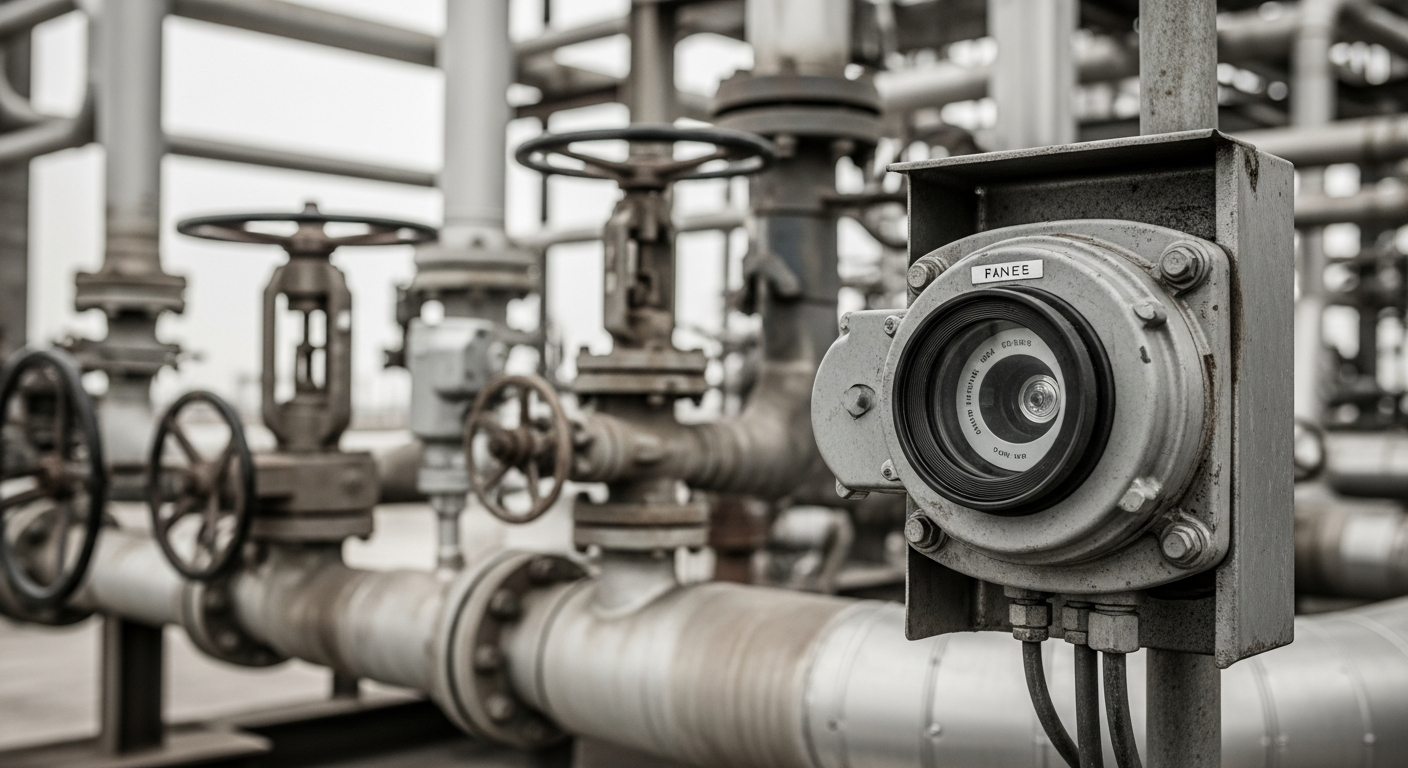
Area classifications play a significant role in workplace accidents. These classifications categorize work areas based on the presence of hazardous materials and the potential for accidents. For instance, areas classified as ‘Hazardous’ are more prone to accidents due to the presence of flammable gases or vapors. A correct area classification is fundamental to implementing appropriate safety measures and selecting the right equipment.
- Class I: Areas where flammable gases or vapors are present.
- Class II: Areas where combustible dust is present.
- Class III: Areas where ignitable fibers or flyings are present.
Correlation between Workplace Accidents and Area Classifications
Research indicates a strong correlation between workplace accidents and area classifications. For example, a study by the National Safety Council revealed that Class I areas accounted for a significant percentage of workplace accidents. This is primarily due to the high risk of fire or explosion in these areas. Failure to recognize and properly equip these zones is a leading cause of industrial incidents.
Key Features & Benefits of Proper Equipment Selection
Selecting equipment certified for the specific area classification is not just a regulatory requirement; it’s a critical safety strategy. Using correctly rated devices provides numerous benefits that protect both personnel and assets.
- Risk Mitigation: Intrinsically safe equipment is designed to operate with low energy, preventing sparks or hot surfaces that could ignite flammable substances. This is the primary defense against catastrophic explosions.
- Regulatory Compliance: Adhering to standards like NEC, ATEX, and IECEx ensures you meet legal safety obligations, avoiding fines and legal action. Using certified equipment demonstrates a commitment to safety protocols.
- Enhanced Worker Safety: Providing workers with tools designed for their environment gives them the confidence to perform their duties safely and efficiently, boosting morale and productivity.
- Operational Continuity: Preventing accidents means avoiding costly downtime, equipment damage, and production losses. The investment in proper intrinsically safe equipment pays for itself by maintaining operational uptime.
Case Study: Oil and Gas Industry
Let’s consider the oil and gas industry, which is predominantly classified as Class I. According to the Bureau of Labor Statistics, this industry recorded the highest number of fatal workplace accidents in 2019. This underscores the correlation between area classifications and workplace accidents.
Preventing Workplace Accidents
Preventing workplace accidents in hazardous areas requires a comprehensive approach that includes the use of safety equipment, adherence to safety protocols, and regular safety training. At the Intrinsically Safe Store, we offer a wide range of safety equipment designed for use in hazardous areas. Our products are engineered to minimize the risk of accidents and enhance workplace safety.
Frequently Asked Questions
What is the main difference between Class I, Class II, and Class III locations?
The primary difference is the type of hazardous material present. Class I locations have flammable gases or vapors. Class II locations contain combustible dust. Class III locations have easily ignitable fibers or flyings. Each class requires specifically rated equipment to prevent ignition.
Why can’t I use a standard mobile phone in a Class I area?
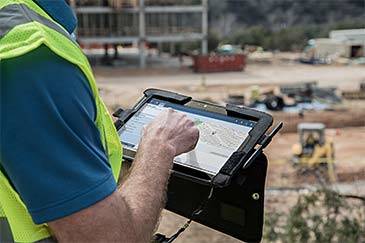
A standard mobile phone is not intrinsically safe. Its internal circuitry, battery, and screen can create sparks or heat sufficient to ignite flammable gases or vapors present in a Class I area, potentially causing an explosion. Only devices certified as intrinsically safe are permitted.
How does intrinsically safe equipment prevent explosions?
Intrinsically safe equipment is designed to be incapable of releasing enough electrical or thermal energy to cause ignition of a specific hazardous atmospheric mixture. It limits voltage and current to prevent sparks and keeps surface temperatures low, even under fault conditions.
In conclusion, there is a strong correlation between workplace accidents and area classifications. Understanding this correlation is crucial for implementing effective safety measures and preventing accidents. By investing in safety equipment and adhering to safety protocols, businesses can significantly reduce the risk of workplace accidents.
We invite you to explore our certified equipment for hazardous locations. If you have any questions or need assistance selecting the right product for your classified area, please talk to a hazardous-area specialist. We are committed to helping you create a safer workplace.