





















Compliance with the National Electrical Code (NEC) is critical for any electrical installation in a Class 1 Division 1 hazardous location. These environments, where flammable gases, vapors, or liquids are continuously present under normal operating conditions, require the strictest wiring methods to prevent explosions from sparks or arcs. A solid understanding of the specific class 1 div 1 wiring standards, detailed in NEC Article 501, is fundamental to facility and personnel safety. This guide breaks down the essential requirements, from conduit types and sealing specifications to equipment grounding, to help ensure your installations are safe and compliant with current codes. Failure to follow these standards can lead to severe safety risks, regulatory penalties, and operational downtime.

Explore Other Hazardous Area Classifications
While this guide focuses on Class 1 Div 1, understanding the differences in other classifications is crucial. Read our detailed guide on the electrical requirements for Class 1 Division 2 areas to broaden your expertise.
Core Principles of Class 1 Div 1 Wiring Standards
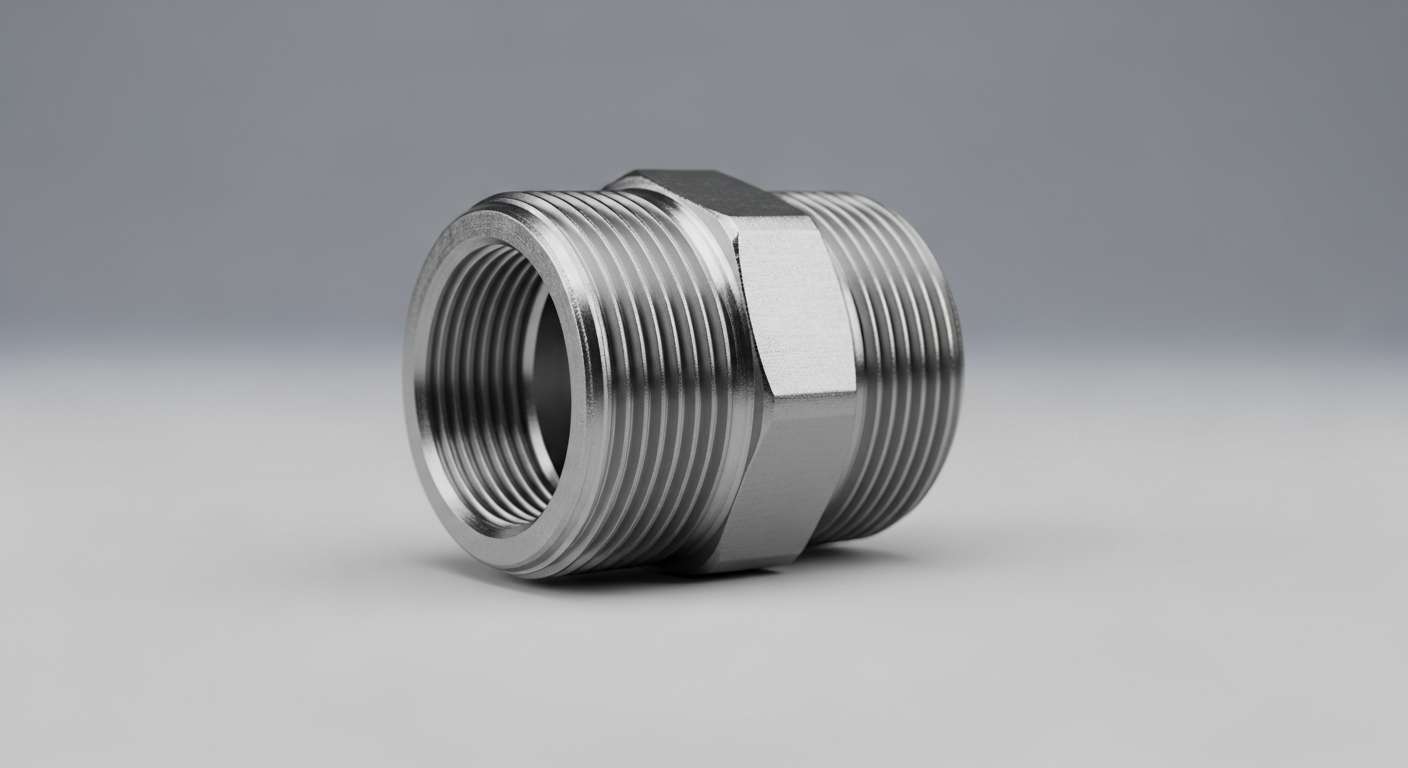
The fundamental objective of Class 1 Division 1 wiring is containment. The entire electrical system is designed to contain any explosion that might occur within an enclosure or conduit, preventing it from igniting the surrounding hazardous atmosphere. This principle is achieved through specific hardware and installation techniques mandated by NFPA 70 Article 501. The primary method involves the use of threaded Rigid Metal Conduit (RMC) or threaded Intermediate Metal Conduit (IMC). These conduits and their associated fittings must have at least five full threads engaged when connected to an explosion-proof enclosure. This threaded path acts as a ‘flame path,’ cooling hot gases from an internal explosion to a temperature below the ignition point of the external atmosphere before they can escape. Every component, from junction boxes to motor housings, must be specifically listed and labeled as ‘explosion-proof’ for the specific class and group of hazardous material present.
Key Wiring Methods and Approved Components
In Class 1 Division 1 locations, wiring methods and component choices are strictly limited to those proven to ensure safety. Substitutions are not permitted; every part of the system must conform to specific guidelines for a compliant installation.
Conduit Requirements:Threaded Rigid Metal Conduit (RMC) or Intermediate Metal Conduit (IMC) are the standard. The thick, heavy-gauge walls of these conduits are essential for containing internal pressures. Electrical Metallic Tubing (EMT) and flexible cords are generally prohibited except in very specific, limited circumstances defined by the code.
Explosion-Proof Enclosures:All enclosures containing arcing or sparking devices, such as switches, circuit breakers, or motor starters, must be listed as explosion-proof. These boxes are constructed with heavy-duty materials and precision-machined flame paths at all joints and openings.
Sealing Fittings (Seals):Seals are critical components used to isolate sections of the conduit system. They prevent the passage of gases, vapors, or flames from one part of the installation to another and limit the volume of a potential explosion. They are typically required within 18 inches (450 mm) of any enclosure that houses arcing devices, as required by NEC 501.15(A)(1).
Grounding and Bonding:A reliable equipment grounding conductor is mandatory to prevent static discharge and provide a safe path for fault currents. All metallic conduits, enclosures, and equipment must be securely bonded together to create an equipotential plane, minimizing the risk of sparks from potential differences.

Installation Practices for Seals and Joints
Selecting the right components is only half the battle; proper installation is critical. Certified equipment can fail if installed incorrectly, and sealing fittings require careful work to function as designed.
Select the Correct Sealing Compound:Use only a sealing compound (often called ‘potting compound’ or ‘seal-off compound’) listed for use in Class 1 locations. These compounds are formulated to be non-shrinking, non-corrosive, and resistant to the specific chemicals present in the environment.
Properly Position the Fitting:Install the sealing fitting as close as practical to the enclosure, never more than 18 inches (450 mm) away. The seal must be placed to isolate the ignition source from the rest of the conduit run.
Isolate Conductors:Before pouring the compound, separate the conductors inside the fitting. This allows the compound to flow completely around each conductor, preventing voids or leak paths.
Pour and Cure Correctly:Mix and pour the sealing compound according to the manufacturer’s instructions, ensuring the fitting is completely filled. Allow the compound to cure fully before the circuit is energized. Curing time will vary with ambient temperature and humidity.
Ensure Thread Engagement:For all conduit-to-enclosure connections, confirm that a minimum of five full threads are tightly engaged. Use a thread lubricant listed for hazardous locations to prevent galling and ensure a tight, flame-proof joint without affecting electrical conductivity.
Recommended Products for Class 1 Division 1 Wiring
The following products from our catalog are certified for use in hazardous areas and directly relevant to this guide:
| Product Category | Rating / Certification | Link |
|---|---|---|
| Explosion Proof Rigid Conduits | NEC / UL Listed for Class I, Div 1 | Shop Now |
| Class I Division 1 Rated Equipment | Class I, Division 1, Groups C, D | Shop Now |
Shop Certified Explosion Proof Conduits
Ensure your wiring systems meet the highest safety standards. Our selection of certified explosion-proof rigid conduits provides the protection required for Class 1 Division 1 locations.
Frequently Asked Questions
What type of conduit is required for Class 1 Div 1?
Threaded Rigid Metal Conduit (RMC) or threaded Intermediate Metal Conduit (IMC) are mandatory. Their thick walls and threaded connections are essential for containing internal explosions and creating a functional flame path to cool escaping gases.
How many threads must be engaged on a conduit in a Class 1 Div 1 area?
A minimum of five full threads must be engaged when connecting a conduit to an explosion-proof enclosure or fitting. This ensures both mechanical strength and the integrity of the flame path, which is critical for safety.
What is the purpose of a sealing fitting in hazardous locations?
A sealing fitting, or ‘seal-off,’ is filled with a special compound to prevent flammable gases, vapors, or flames from passing through the conduit system. It effectively isolates ignition sources from the wider hazardous area, limiting the potential scale of an explosion.
Can I use flexible conduit in a Class 1 Division 1 location?
Generally, no. However, NEC Article 501 allows for the use of specifically listed flexible fittings in very limited situations, such as for final connections to motors where vibration is a concern. These sections are typically short, no more than 36 inches long.
Are cable glands acceptable for Class 1 Div 1 wiring?
Yes, but only if they are specifically listed and certified for Class 1 Division 1 applications and are used with a suitable type of cable (like Type MC-HL). They must be installed according to strict manufacturer and code requirements to ensure a proper seal and explosion containment.
Chat for a Quote Call: 832-699-6726
For engineers, electricians, and safety managers in hazardous industrial environments, there is no room for error or approximation when it comes to Class 1 Division 1 wiring. The principles outlined in NEC Article 501 are not optional. They center on containment with explosion-proof enclosures and rigid metal conduit, isolation using properly installed sealing fittings, and system integrity achieved through solid grounding and bonding. Adhering to these class 1 div 1 wiring standards is the only way to guarantee a safe, compliant installation that protects personnel and assets.