























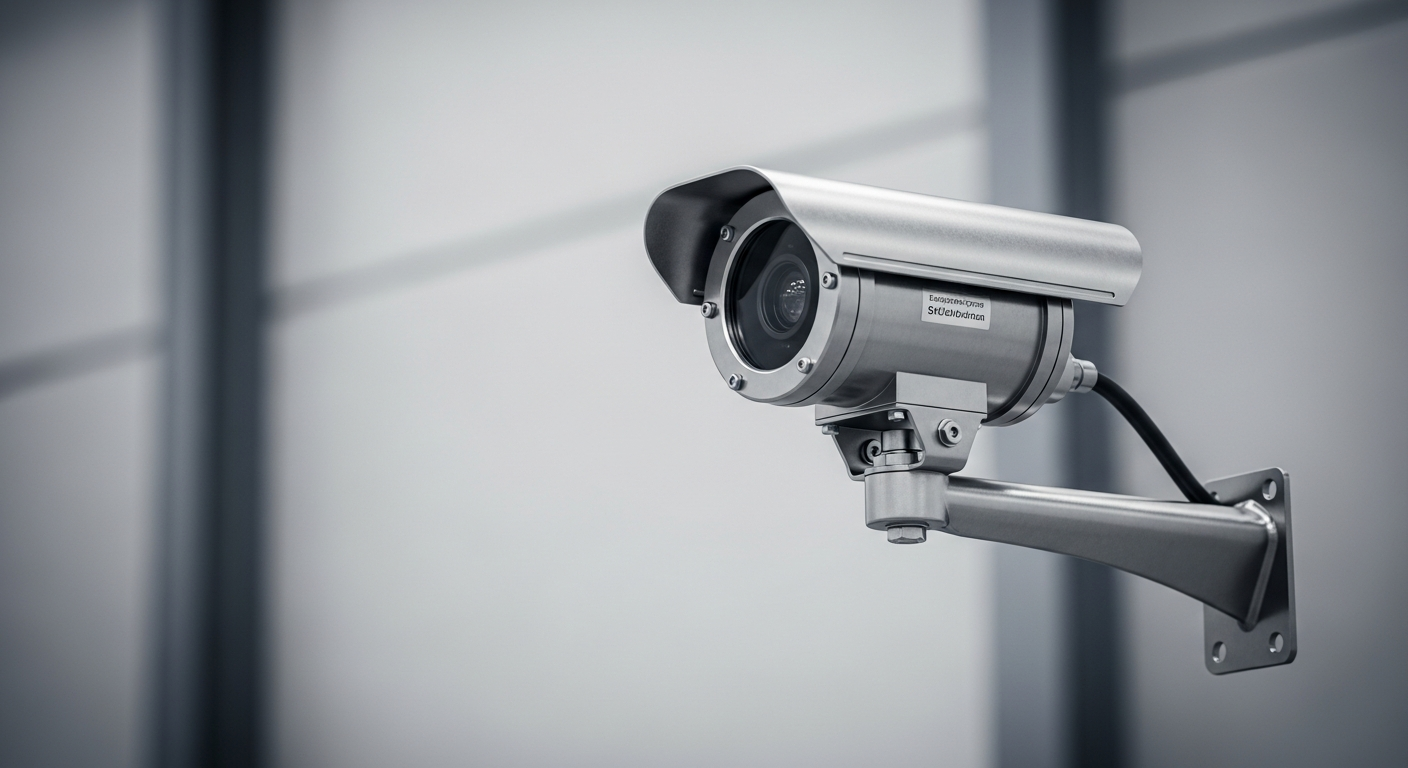
Installing an explosion-proof CCTV camera is a critical safety procedure, not simply a hardware mounting task. The process is governed by strict standards designed to prevent explosions in hazardous locations. Any error in cabling, sealing, or component selection can compromise the protection system and create an ignition source where flammable gases, vapors, or dust are present. This guide covers the essential steps from area assessment to final verification. Following these protocols is mandatory for compliance and necessary for protecting personnel and assets.
Choosing the Right Enclosure?
The material of your explosion-proof enclosure is as critical as the camera inside. Learn the key differences between stainless steel and aluminum for your specific environment.
Understanding Area Classification and Equipment Selection
Before any hardware is ordered, a thorough assessment of the hazardous area is required. The classification system (Class/Division or Zone) determines the necessary protection level for all equipment. A camera for a Class I, Division 1 area (where hazards are normally present) has much stricter requirements than one for a Class I, Division 2 area (where hazards are present only under abnormal conditions). The same principle applies in the Zone system (e.g., Zone 1 vs. Zone 2). You must ensure the camera, its enclosure, and all associated fittings carry the correct certification for the specific hazardous materials present. Check the equipment’s nameplate for ATEX, IECEx, or NEC/CEC markings that match the area’s zone, gas group, and temperature class. According to IEC 60079-14, selecting electrical apparatus that matches the area classification is the first step in a compliant installation.
Key Pre-Installation Checks
Proper planning is essential for a successful installation and prevents costly errors and long-term integrity issues. Neglecting these pre-installation checks can result in a non-compliant system that provides a false sense of security.
- Certification Verification: Confirm that the camera, housing, power supply, and all junction boxes have certifications that are valid and appropriate for the specific hazardous location. Do not mix components with different ratings unless explicitly permitted by the manufacturer.
- Component Inspection: Before installation, thoroughly inspect every component for damage that may have occurred during shipping. Pay close attention to the flameproof joints, glass windows, and threaded entries of enclosures, as any crack or deformation can compromise their integrity.
- Environmental Assessment: Consider environmental factors beyond the hazardous classification. Will the camera be exposed to corrosive chemicals, extreme temperatures, high vibrations, or saltwater spray? Select materials like 316L stainless steel for corrosive environments to ensure durability.
- Reviewing Documentation: Thoroughly read the manufacturer’s installation manual for each component. These documents contain critical, specific instructions regarding torque values for bolts, proper entry sealing methods, and any limitations on use.
Cabling and Gland Installation Procedures
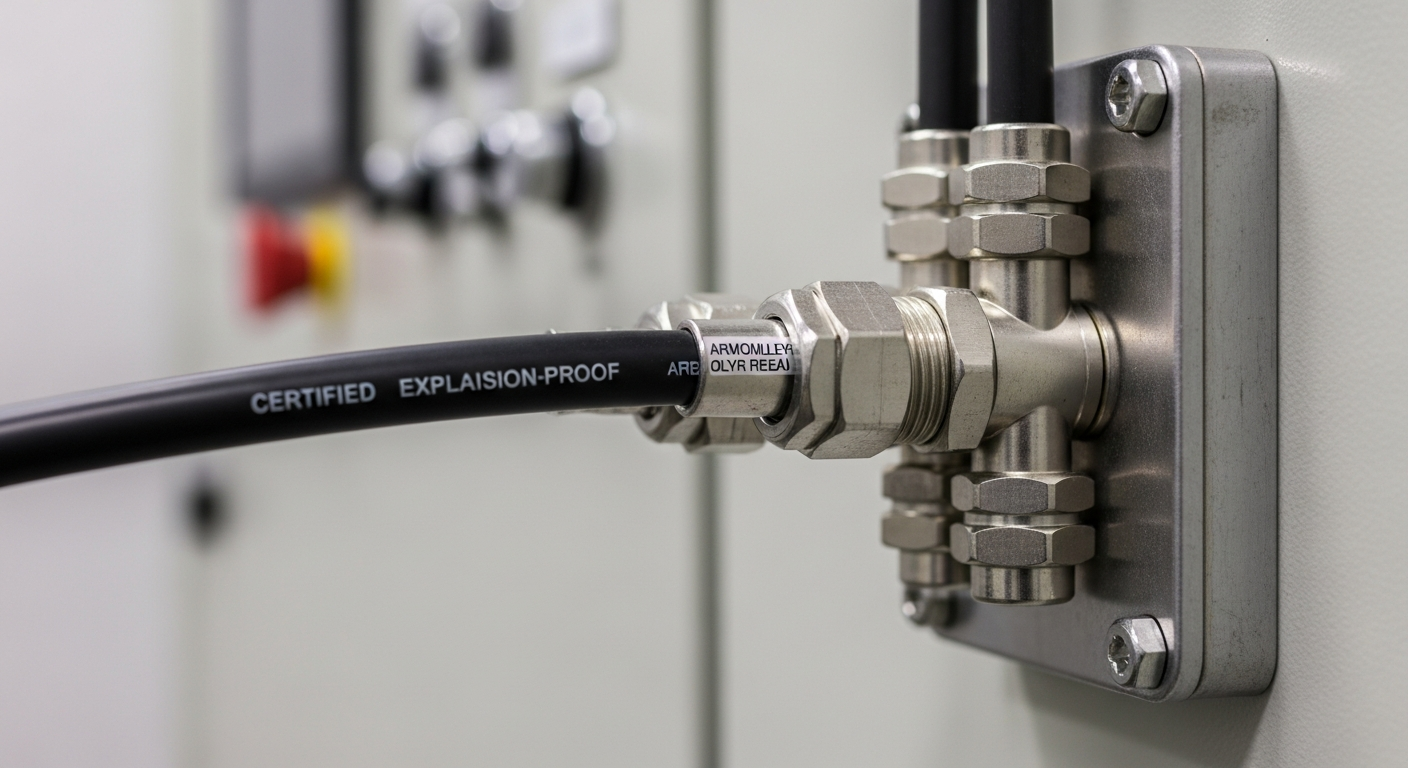
The wiring is one of the most critical phases of an explosion proof CCTV camera installation. The integrity of the entire system relies on preventing hazardous atmospheres from entering enclosures through cable pathways. Using the correct cabling and certified glands is non-negotiable.
- Select Certified Cable Glands: The cable glands must be certified for the type of protection (e.g., Ex ‘d’ – Flameproof) and match the enclosure’s entry threads. They must also be suitable for the type of cable being used (armored or unarmored).
- Prepare the Cable: Prepare the cable entry point according to the gland manufacturer’s instructions. This includes stripping the outer sheath and any armor to the precise dimensions required to ensure a proper seal and, for armored cables, a secure ground connection.
- Install the Gland Correctly: The gland must be tightened to the specified torque to create a reliable flameproof seal around the cable and into the enclosure. Over-tightening can damage the seal, while under-tightening leaves a potential path for flame propagation.
- Seal Unused Entries: Any unused openings in the camera housing or associated junction boxes must be sealed with certified blanking plugs. These plugs must have a certification equal to or greater than that of the enclosure itself. Never use temporary or uncertified plugs.
Recommended Products for Explosion Proof Surveillance
The following products from our catalog are certified for use in hazardous areas and directly relevant to this guide:
| Product Category | Rating / Certification | Link |
|---|---|---|
| Explosion Proof CCTV Cameras | ATEX Zone 1 / 21, Class I Div 1 | Shop Now |
| Explosion Proof Camera Enclosures | cULus: Class I, Div 1, Groups C,D T6 | Shop Now |
Shop Certified Explosion Proof Cameras
Ensure compliance and site safety with our range of certified explosion-proof CCTV cameras designed for the most demanding hazardous environments.
Frequently Asked Questions
What does ‘explosion proof’ mean for a CCTV camera?
An explosion-proof camera is housed in an enclosure designed to withstand an internal explosion from flammable gases or dust that may have entered. The enclosure prevents this internal explosion from igniting the surrounding hazardous atmosphere by containing the pressure and cooling hot gases through flame paths.
Can I use a standard CCTV camera in an explosion-proof enclosure?
Yes, but only if the enclosure is certified for this purpose and the internal components (camera, lens, heater) do not exceed the enclosure’s temperature rating (T-rating). The entire assembly must be installed according to the enclosure manufacturer’s specifications to maintain its certification.
What is the difference between ATEX and IECEx certification?
ATEX is a mandatory certification for equipment used in hazardous areas within the European Union, based on EU directives. IECEx is an international certification scheme intended to facilitate global trade in hazardous area equipment by ensuring products meet accepted international standards.
How often should an explosion proof camera installation be inspected?
Inspection frequency depends on the area classification and environmental conditions, but a close visual inspection is typically recommended annually. Per IEC 60079-17, harsher environments may require more frequent, detailed inspections every six months to check for corrosion, damage, and seal integrity.
Do I need special tools for an explosion proof CCTV camera installation?
While standard electrician tools are used, it is critical to use a calibrated torque wrench for tightening enclosure bolts and cable glands to the manufacturer’s exact specifications. Additionally, tools should be in good condition to avoid damaging fasteners or threaded entries.
A compliant explosion-proof CCTV camera installation requires careful planning and strict adherence to hazardous area standards. Always start with a correct area classification, follow all manufacturer instructions and codes like IEC 60079-14, and verify that every component—from the enclosure to the smallest cable gland—is certified for the specific environment. This approach treats the installation as a complete safety system, not just an assembly of parts, ensuring it provides reliable surveillance without compromising facility safety.