

















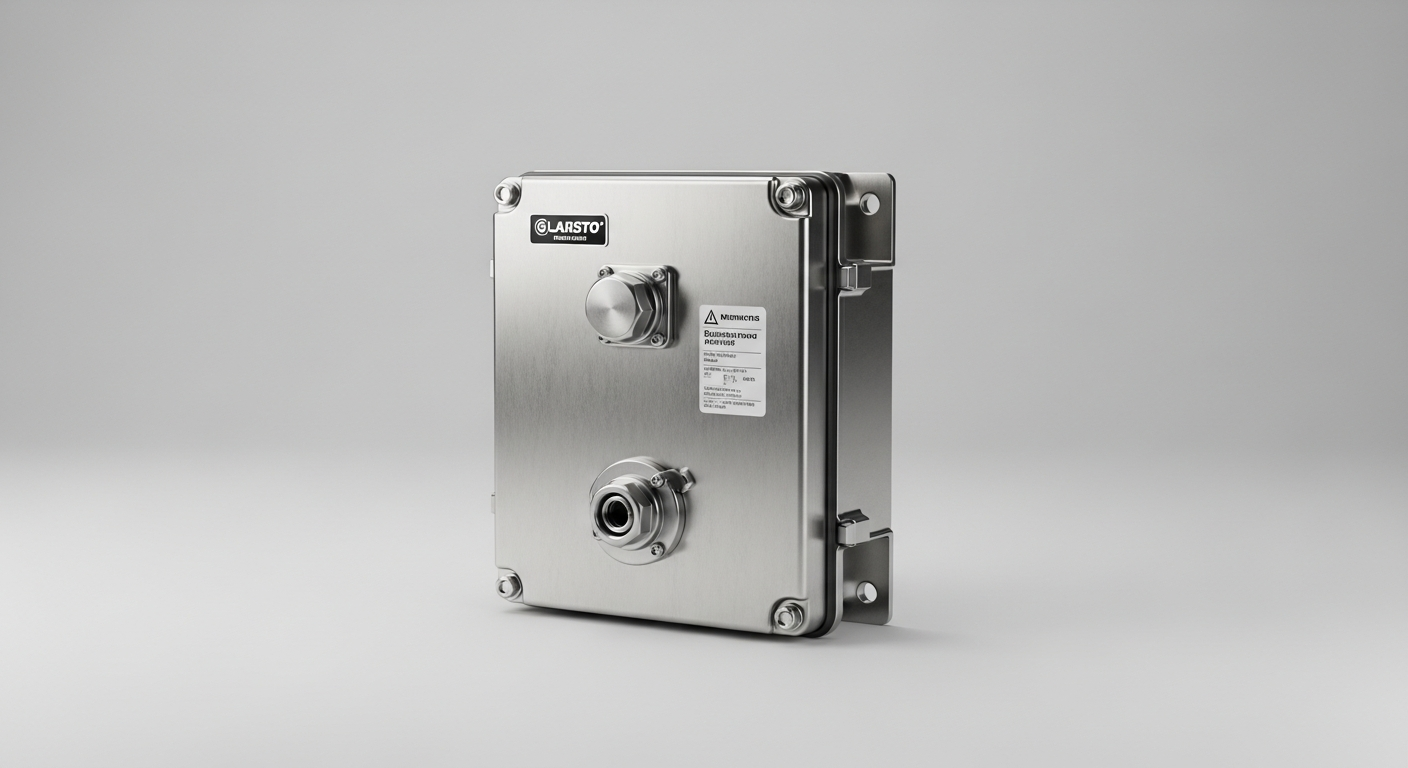
Selecting the right enclosure for electrical wiring in hazardous locations is a critical safety decision, not just a matter of compliance. Choosing an explosion proof junction box requires a detailed assessment of the environment, the materials present, and the specific certification standards for your facility. An incorrect choice can lead to equipment failure, ignition, and serious safety breaches. This guide provides a direct approach to evaluating your needs, covering hazardous area classifications, material properties, and the ratings required to ensure safety and operational integrity.
Understand Hazardous Area Standards
Understanding the ratings on a junction box is the first step. Our guide to Class 1 Division 2 standards covers the essentials you need to know.
Decoding Hazardous Area Classifications
The first step in selecting an explosion proof junction box is to understand the classification of the hazardous environment where it will be installed. These classifications, defined by the National Electrical Code (NEC) in the United States, determine the level of protection required. The system is broken down into Class, Division, and Group. For instance, a Class I location contains flammable gases or vapors, while a Class II location has combustible dust. The Division (1 or 2) specifies whether the hazardous material is present continuously (Div 1) or only under abnormal conditions (Div 2). Finally, the Group (A, B, C, D for gases; E, F, G for dusts) identifies the specific substance. A junction box must be explicitly rated for the Class, Division, and Group of its intended area to be compliant and safe. All certified explosion proof enclosures must meet specific requirements, such as those in UL 1203, which covers explosion-proof and dust-ignition-proof electrical equipment for use in hazardous locations.
Material Selection: Aluminum vs. Stainless Steel
The material of the junction box directly impacts its durability, corrosion resistance, and overall suitability for the environment. The most common materials for explosion proof enclosures are cast aluminum and stainless steel, and the right choice depends entirely on your operational conditions.
- Cast Aluminum: This material is lightweight and has good thermal conductivity. It is often a more cost-effective option and is suitable for many general-purpose hazardous locations. However, it can be susceptible to corrosion in highly acidic or saline environments.
- Stainless Steel (304 or 316L): Offering superior corrosion resistance, stainless steel is the preferred choice for offshore platforms, chemical processing plants, and marine environments. Grade 316L provides enhanced protection against chlorides and acids. While heavier and more expensive, its longevity in harsh conditions often justifies the initial investment.
- Fiberglass/Polyester: For certain applications, non-metallic enclosures made from fiberglass-reinforced polyester can be an excellent choice. They provide exceptional resistance to corrosion and chemicals and are much lighter than their metal counterparts. They are often used in environments where chemical exposure is the primary concern.
- Galvanized Steel: While less common for explosion proof ratings due to potential sparking risks if not properly handled, galvanized steel offers a balance of strength and corrosion resistance at a lower cost than stainless steel. Its use is typically limited to less aggressive environments.
Verifying NEMA and Ingress Protection (IP) Ratings
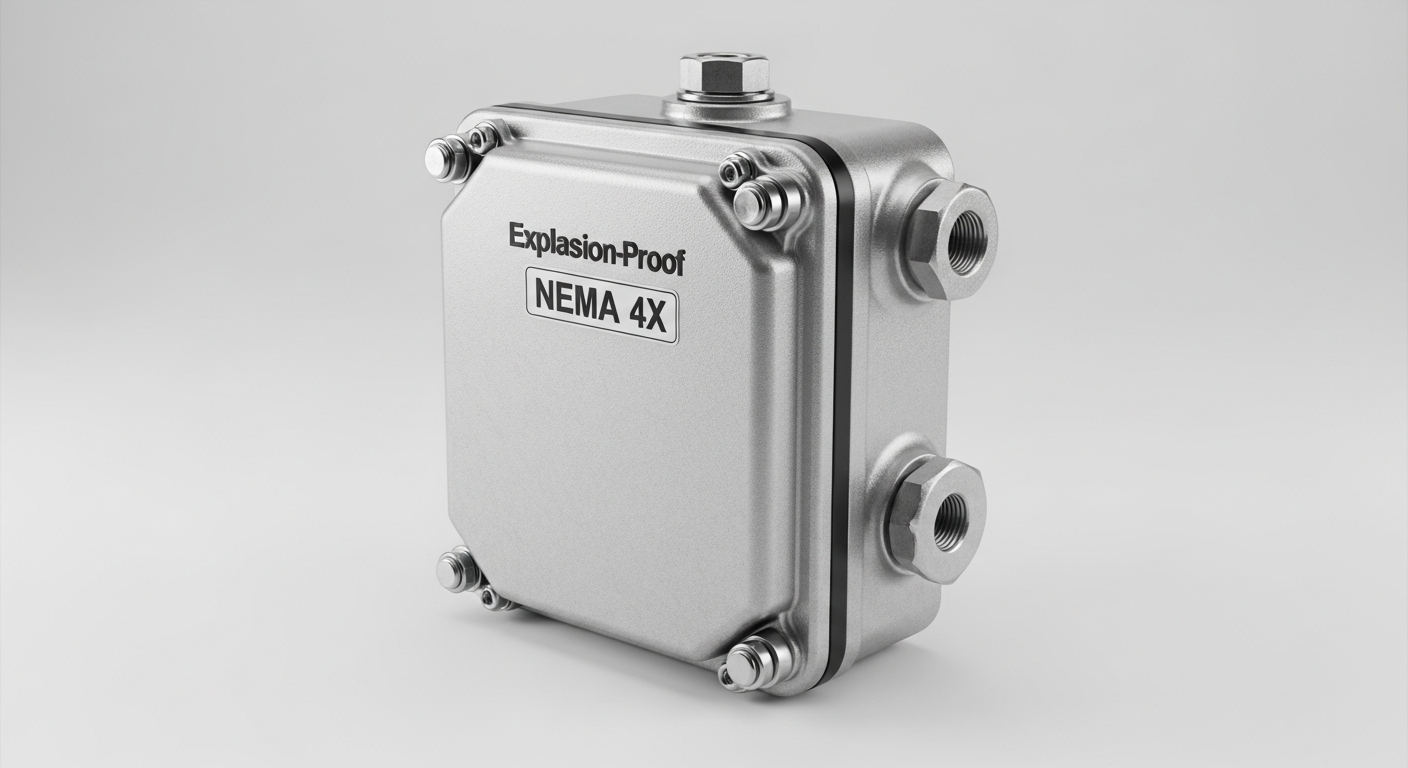
Beyond the hazardous area classification, the junction box must also have an appropriate NEMA (National Electrical Manufacturers Association) or IP (Ingress Protection) rating. These ratings define how well the enclosure protects internal components from environmental factors like water, dust, and dirt. They are critical for the long-term reliability of the electrical connections inside. A higher rating indicates better protection.
- NEMA 4/4X: A NEMA 4 rating means the enclosure is watertight and suitable for outdoor use, protecting against rain, sleet, and snow. A NEMA 4X rating adds corrosion resistance, making it ideal for wash-down areas or coastal locations.
- NEMA 7: This rating is specific to indoor hazardous locations for Class I, Groups A, B, C, or D. It certifies that the enclosure is designed to contain an internal explosion without causing an external hazard.
- NEMA 9: This rating applies to indoor hazardous locations for Class II, Groups E, F, or G. It ensures the enclosure is dust-ignition-proof.
- IP Ratings (e.g., IP66/IP67): Often used internationally, the IP rating system provides a similar measure of protection. IP66 means the enclosure is dust-tight and protected against powerful water jets, while IP67 indicates it can be temporarily submerged in water. Always cross-reference NEMA and IP ratings to ensure you meet both regional and application-specific requirements.
Recommended Products for Hazardous Locations
The following products from our catalog are certified for use in hazardous areas and are directly relevant to this guide:
| Product Category | Rating / Certification | Link |
|---|---|---|
| Explosion Proof Junction Boxes | Class I Div 1 & 2, ATEX/IECEx | Shop Now |
| Class 1 Division 1 Junction Boxes | Class I Division 1, Groups B, C, D | Shop Now |
Shop Certified Explosion Proof Junction Boxes
Ensure compliance and safety with our selection of certified junction boxes designed for demanding hazardous environments.
Frequently Asked Questions
What is the main difference between a NEMA 7 and NEMA 9 junction box?
A NEMA 7 junction box is designed for indoor Class I hazardous locations containing flammable gases or vapors. A NEMA 9 box is for indoor Class II locations with combustible dust. They are not interchangeable, as their construction is designed to handle different types of ignition risks.
Can I use a Class 1 Division 1 box in a Division 2 area?
Yes, you can. Equipment rated for a more hazardous environment (Division 1) can always be used in a less hazardous one (Division 2) within the same Class and Group. However, you cannot use a Division 2 rated box in a Division 1 area, as it does not offer sufficient protection.
Why is stainless steel preferred for marine environments?
Stainless steel, particularly grade 316L, contains molybdenum, which significantly enhances its resistance to corrosion from salt water and chlorides. This makes it far more durable and reliable than aluminum or standard steel for offshore platforms, ships, and coastal facilities.
How do I determine the right size for an explosion proof junction box?
The size depends on the number and size of the conductors, splices, and any terminal blocks inside. Per NEC guidelines, there must be adequate free space to prevent overheating and allow for safe wiring. Always calculate the total volume required by all components and select a box that exceeds that volume.
Does an explosion proof box need to be sealed with special fittings?
Yes, absolutely. To maintain the integrity of the explosion proof system, you must use certified cable glands, conduit, and sealing fittings that match the rating of the junction box. Using standard, unrated fittings will void the certification and compromise safety.
Choosing the correct explosion proof junction box is a technical process that requires careful attention to environmental factors, material properties, and regulatory standards. You must first accurately identify your hazardous area classification (Class, Division, Group), then select a material based on corrosion risks, and finally, verify that the NEMA and IP ratings provide the necessary protection against contaminants. Following these steps ensures your installation complies with standards like UL 1203 and maintains the long-term safety and reliability of your facility’s electrical system. Proper research and specification are essential for getting the selection right.