

















Introduction to the Intrinsically Safe Flashlight Market
In industries where the risk of explosion is a daily concern, specialized equipment isn’t just a recommendation—it’s a necessity. Intrinsically safe flashlights are critical safety tools designed to prevent ignition in hazardous environments containing flammable gases, vapors, or combustible dust. As a leading provider of certified safety products, the Intrinsically Safe Store is dedicated to providing insights into the latest market trends for these essential devices. This analysis explores the key drivers, challenges, and future outlook for the intrinsically safe flashlight market, helping you make informed decisions for your operational safety.
Understanding Intrinsically Safe Flashlights
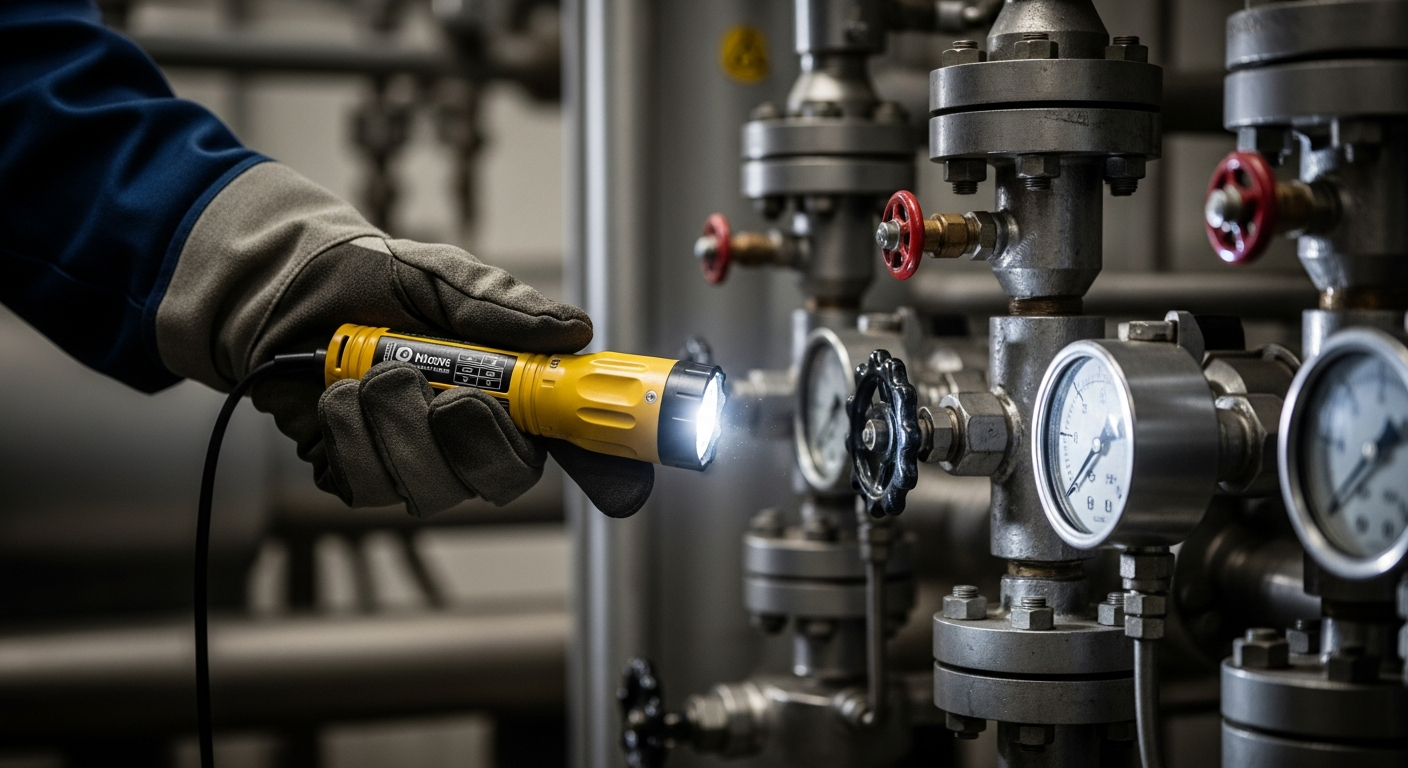
Designers create intrinsically safe flashlights to operate safely in hazardous environments where flammable gases, vapors, or dust may be present. They prevent ignition by limiting the electrical and thermal energy available to a level below that required to ignite a specific hazardous atmospheric mixture.
Key Features & Benefits of Intrinsically Safe Flashlights
Intrinsically safe flashlights are distinguished by specific design features that ensure safety and reliability in high-risk zones. Understanding these features and their resulting benefits is crucial for procurement and safety managers.
- Low-Energy Circuitry: The core of intrinsic safety lies in circuits that are engineered to operate on very low power, ensuring that no spark, electrical or thermal, has enough energy to cause an ignition.
- Robust, Anti-Static Casing: Housings are typically made from durable, impact-resistant, and anti-static materials to prevent static discharge and withstand harsh industrial conditions without breaking.
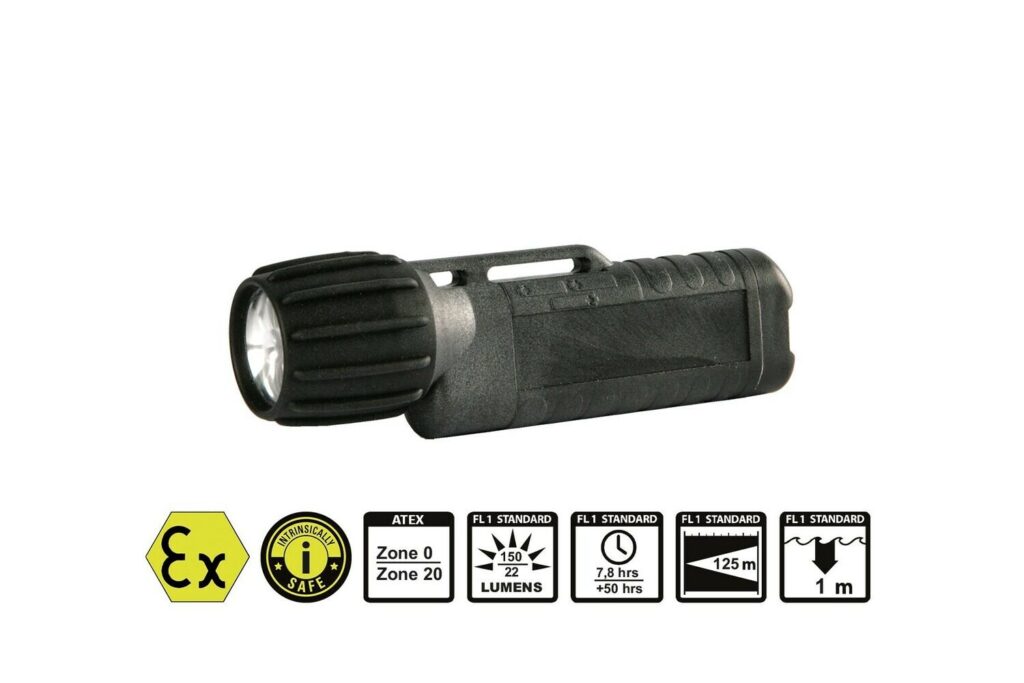
- Certified for Specific Hazardous Zones: Every intrinsically safe flashlight is rigorously tested and certified for specific hazardous locations (e.g., ATEX Zone 0, IECEx, or Class I, Division 1). This certification confirms the device meets the stringent safety standards required for its intended environment.
- Enhanced Worker Safety: The primary benefit is the prevention of catastrophic explosions, directly protecting personnel and company assets.
- Regulatory Compliance: Using certified equipment is a critical step in achieving compliance with national and international safety standards, avoiding legal penalties and operational shutdowns.
Market Overview
The global market for intrinsically safe flashlights is experiencing significant growth, driven by increasing safety regulations and a strong focus on operational safety in industries such as oil and gas, mining, and chemical processing. This demand underscores the critical need for reliable, certified equipment in hazardous environments.
Key Market Drivers
- Increasing Industrial Safety Regulations: Governments worldwide are implementing stringent safety regulations to prevent industrial accidents, driving the demand for intrinsically safe flashlights.
- Growth in Hazardous Industries: The expansion of industries such as oil and gas, mining, and chemical processing, where hazardous environments are common, is fueling market growth.
- Technological Advancements: Innovations in LED technology and battery life are enhancing the performance of intrinsically safe flashlights, making them more appealing to end-users.
Market Challenges
Despite the positive outlook, the market faces challenges such as high product costs and lack of awareness about the benefits of intrinsically safe flashlights in emerging economies.
Regional Analysis
North America dominates the global intrinsically safe flashlight market, followed by Europe and Asia-Pacific. Major market players, advanced industrial infrastructure, and stringent safety regulations attribute to the growth in these regions.
Competitive Landscape
The market is highly competitive with several global and regional players offering advanced intrinsically safe flashlights. Key players are focusing on product innovation, strategic partnerships, and regional expansion to gain a competitive edge.
Future Market Trends
The future of the intrinsically safe flashlight market looks promising with opportunities in the oil and gas, chemical, and mining sectors. The advent of smart intrinsically safe flashlights with features like remote operation and real-time tracking is expected to drive market growth in the coming years.
Frequently Asked Questions
What makes a flashlight “intrinsically safe”?
A flashlight is deemed ‘intrinsically safe’ when its circuitry is engineered to limit electrical and thermal energy to a level incapable of igniting flammable substances in a hazardous atmosphere. This design meets strict certification standards like ATEX, IECEx, and Class/Division ratings.
Are intrinsically safe flashlights only for the oil and gas industry?
While the oil and gas sector is a major user, these flashlights are critical in any environment with combustible dust, fibers, or vapors. This includes chemical processing plants, mining operations, pharmaceutical manufacturing, grain elevators, and wastewater treatment facilities.
Can I use a regular heavy-duty flashlight in a hazardous area?
Absolutely not. A standard flashlight, regardless of how rugged it is, is not designed to prevent internal sparks or control surface temperature. Using a non-certified device in a classified hazardous location poses a severe risk of explosion. Only equipment specifically certified for that location should ever be used.
Conclusion
The market for intrinsically safe flashlights is on a clear growth trajectory, driven by strengthening safety regulations, expansion in hazardous industries, and continuous technological advancements. While challenges like cost exist, the future holds promising opportunities, particularly with the advent of smart, connected devices. As a trusted provider, the Intrinsically Safe Store is committed to offering the latest and most reliable intrinsically safe flashlights to meet your safety requirements. To discuss your specific needs or to get a quote for certified equipment, please talk to one of our hazardous area specialists today.